Thinking About Building or Developing Land in Pierce County? Start Here.
Pierce County is growing fast. From new residential builds in Graham and Bonney Lake to small farm development in rural Buckley and commercial projects in Sumner, more landowners than ever are asking the same question: "I have land — where do I even start?"
The answer, almost always, starts with the ground beneath your feet. Before a foundation is poured, a septic system is installed, or a single wall is framed, your land must be prepared. That preparation clearing, grading, and site development is the foundation of every successful build. Get it right, and everything that follows goes smoothly. Rush it or skip steps, and you'll be dealing with drainage problems, failed inspections, and costly do-overs for years.
This guide walks you through what land clearing and site development actually involve, what you need to know before starting, and how to find the right contractor for your project in Pierce County.
What Is Land Clearing?
Land clearing is the process of removing everything from a parcel of land that would interfere with construction or development — trees, stumps, brush, rocks, debris, and sometimes existing structures. It's one of the first and most critical steps in any development project.
Depending on your property, land clearing might be a simple afternoon job for a small, wooded lot, or a multi-week operation involving heavy equipment, tree crews, and stump grinders for a heavily forested acreage.
What land clearing typically includes:
- Tree removal — felling, sectioning, and hauling trees of all sizes
- Stump grinding or stump removal — eliminating root systems that would interfere with construction
- Brush and undergrowth clearing — removing shrubs, blackberry (a Pacific Northwest constant), and overgrowth
- Rock and debris removal — clearing boulders, old structures, and material that could compromise grading
- Slash disposal — chipping, hauling, or burning (where permitted) of cleared material
A good clearing contractor doesn't just knock things down, clear with a plan, protecting trees and vegetation you want to keep, preventing erosion, and leaving your site ready for the next phase.
What Is Site Development?
Site development is the full process of taking raw or undeveloped land and transforming it into a build-ready site. It picks up where land clearing leaves off and encompasses everything needed before vertical construction begins.
Site development typically includes:
Grading and Excavation
The land is shaped and leveled to support your building footprint, manage drainage, and meet engineering requirements. Proper grading ensures water flows away from structures rather than pooling against them a critical consideration in the Pacific Northwest's wet climate.
Drainage and Erosion Control
Pierce County's clay-heavy soils and heavy seasonal rainfall make drainage planning essential. Site development includes installing culverts, French drains, swales, and erosion control measures to protect the site during and after construction.
Utility Trenching
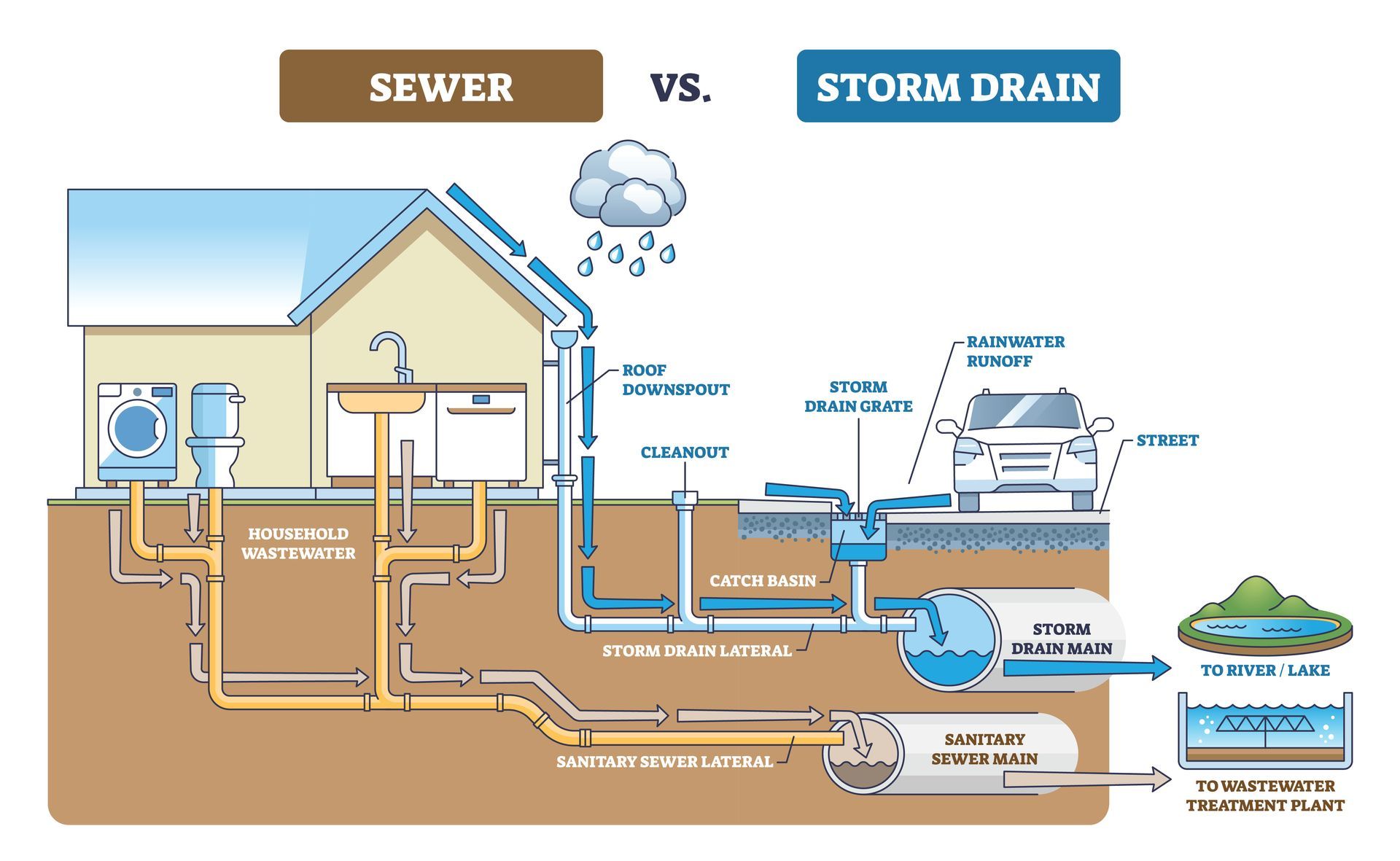
Trenches are excavated for water, power, and gas lines. This is also when sewer or septic connections are planned and roughed in.
Septic System Installation
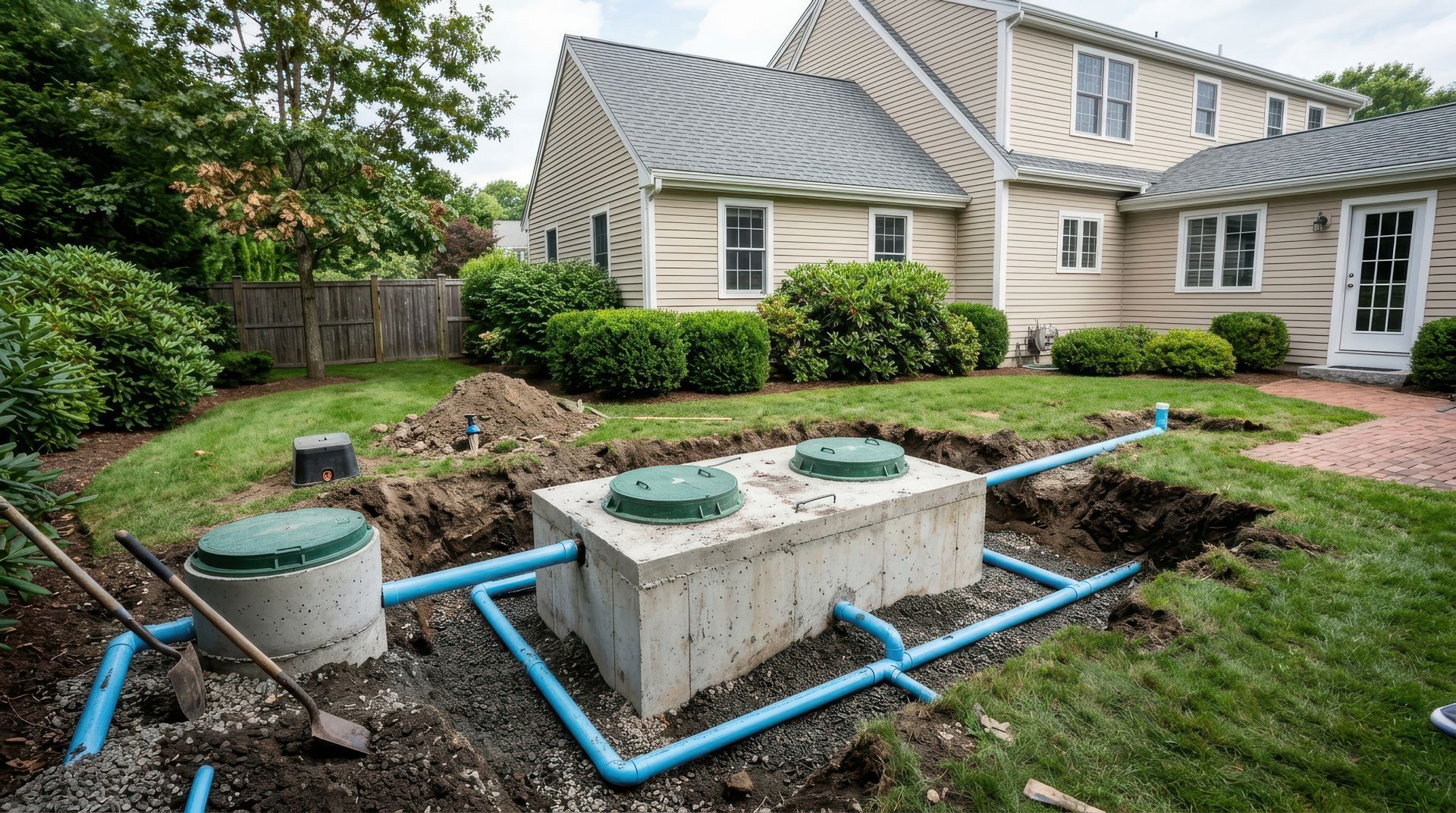
For properties not connected to municipal sewer, septic installation is a core part of site development. This includes soil evaluations (perc tests), system design, permitting, and installation of the tank and drain field. RCS handles the entire process in-house no need to hire a separate septic contractor.
Driveway and Road Construction
Access roads and driveways are graded, graveled, and prepared. For rural properties, this often includes significant work to bring in a usable road from the property boundary.
Final Grading
Once utilities and foundation work is complete, a final grading pass ensures proper drainage grades and prepares the site for landscaping or additional construction.
Key Things to Know Before You Break Ground in Pierce County
1. Permits Are Non-Negotiable
Pierce County requires permits for most clearing and development activities, especially if you're near wetlands, streams, or steep slopes all common in our area. Clearing without permits can result in stop-work orders, fines, and required restoration. An experienced contractor knows the permitting landscape and will handle this on your behalf.
2. Critical Areas Are Everywhere
Washington State's Critical Areas Ordinance (CAO) protects wetlands, streams, wildlife habitats, and other environmentally sensitive areas. Many Pierce County properties have critical areas on or near them. Before clearing or grading, you need to know where these boundaries are. Violations are serious and expensive to remediate.
3. Soil Conditions Vary Widely
From sandy loam in the lowlands to heavy clay in upland areas, soil conditions in Pierce County vary significantly and directly affect how you develop land. Poorly draining soils affect septic system design, foundation requirements, and grading approaches. A site evaluation by an experienced contractor before you finalize your plans can save significant money.
4. Timing Matters
In Western Washington, clearing and grading projects are subject to seasonal restrictions to prevent erosion and protect waterways. The "wet season" (generally October through April) brings additional requirements for erosion and sediment control. Planning your project to break ground in spring or early summer gives you the best working conditions and the most scheduling flexibility.
5. One Contractor for Everything Saves Time and Money
Coordinating multiple contractors — a clearing crew, a septic company, an excavator, and a grading company — is complicated and expensive. Scheduling conflicts, communication gaps, and finger-pointing when problems arise are common pitfalls. Working with a contractor like RCS who handles clearing, excavation, grading, septic, and sewer under one roof simplifies the process dramatically and keeps your project on track.
Who Needs Land Clearing and Site Development?
- New home builders on raw or wooded lots
- Landowners looking to make acreage usable or saleable
- Farmers and hobby farm developers creating pasture, pens, or outbuildings
- Commercial property developers preparing sites for retail, industrial, or multi-family use
- Homeowners adding structures — shops, ADUs (accessory dwelling units), barns, or garages
- Property sellers who want to improve land value before listing
Even if you're not ready to build yet, clearing and improving land now can significantly increase its market value and make it far more attractive to buyers or lenders.
How RCS Approaches Land Clearing and Site Development
Every property is different. A steep, wooded 5-acre lot in Buckley has completely different challenges than a flat 1-acre lot in South Hill. That's why Raburn Contracting Services starts every project with a thorough site walk and assessment before any work begins.
We look at existing vegetation, soil conditions, drainage patterns, access, proximity to critical areas, and your project goals. Then we build a plan tailored specifically to your property — not a one-size-fits-all approach.
As a licensed general contractor with in-house excavation, septic, sewer, and clearing capabilities, RCS can take your project from raw land to build ready in a single coordinated process. You have one point of contact, one schedule, and one team accountable for the whole job.
We serve: Puyallup, Tacoma, Gig Harbor, Bonney Lake, Sumner, Auburn, Buckley, Enumclaw, Graham, South Hill, and all of Pierce County.
Ready to Talk About Your Property?
Whether you have a clear plan or you're just in the early "what's possible?" stage, we're happy to walk the property with you and give you an honest assessment of what your land needs and what it would cost.
📞 Call us: (253) 204-5090 🌐 Request a free site evaluation: rcs-wa.com
No pressure. No obligation. Just a real conversation with a local contractor who knows Pierce County land.
Raburn Contracting Services LLC — Land Clearing, Site Development, Excavation & General Contracting in Puyallup, WA.
Recent Posts